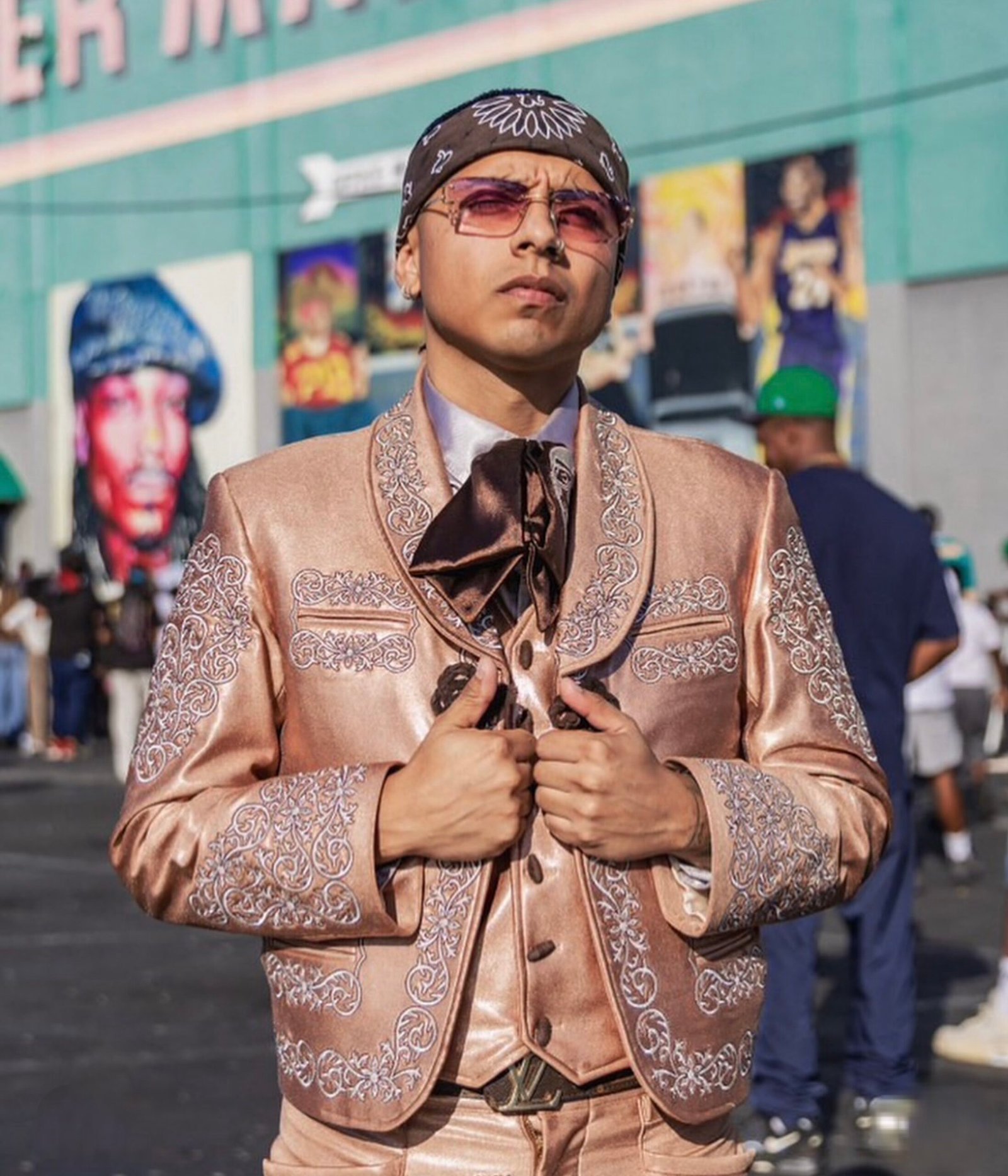
From the streets of Los Angeles to phone screens across the city, Martinez has built his name through presence, consistency, and a deep connection to where he’s from. His story isn’t loud for attention; it’s loud because it’s real.
Born and raised in Los Angeles, Neat Martinez grew up surrounded by the rhythms, contradictions, and cultures that define the city. Areas like Figueroa Street weren’t just part of his environment — they were part of his education. Music, street energy, family, and survival all intersected early, shaping how he sees the world and, eventually, how he sounds on record. Long before numbers mattered, Martinez was focused on expression and identity.
Musically, Neat Martinez operates at the intersection of Latin urban music, reggaeton, and West Coast influence. His records carry bounce and melody, but they’re grounded in lived experience. Tracks like “Sprung,” “Mi Vicio,” “Soy De LA,” and “Te Extraño” highlight his ability to move between upbeat, club-ready records and more emotional, reflective moments without losing authenticity. The sound is polished, but the perspective stays rooted.
What separates Neat Martinez from many emerging artists is how directly he communicates with his audience. YouTube and social media haven’t just been promotional tools — they’ve been windows. His content shows the work, the setbacks, the process, and the personality behind the music. There’s no distance between artist and supporter. That transparency has helped him build a following that feels invested rather than passive.
Outside of music, Martinez has gained attention for something many artists talk about but few consistently act on: giving back. Videos and posts showing him organizing meals and support for unhoused communities in Los Angeles — including large-scale holiday efforts in Skid Row — added another layer to how people see him. These moments don’t feel staged or branded; they feel personal. For Martinez, community isn’t a concept — it’s a responsibility.
That balance between artist and citizen has become part of his identity. He isn’t positioning himself as a savior or spokesperson, but as someone who understands visibility comes with obligation. His platform reflects the same values found in his music: pride, empathy, and accountability.