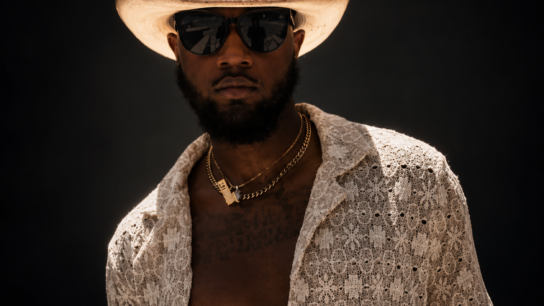
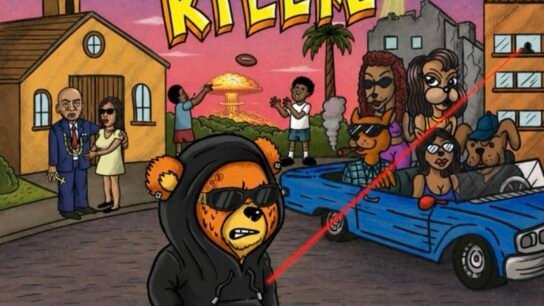
Before algorithms, playlists, and viral formulas dictated success, Los Angeles had movements that grew from the ground up. One of the most defining was the jerk movement—a raw, energetic culture built around dance, street fashion, and DIY music. Young Sam emerged during that era, not as a manufactured act, but as a product of his environment, learning how to move crowds before the industry ever paid attention.
During the jerk era, Young Sam’s music reflected the moment. The sound was fast, minimal, and built for energy. Songs weren’t just listened to—they were danced to, filmed, and shared hand-to-hand before social media became a machine. That era taught him something crucial early on: connection matters more than polish. The goal wasn’t perfection; it was impact.
As the jerk movement began to fade from the mainstream, many artists disappeared with it. Trends shifted, sounds changed, and the industry moved on. Young Sam didn’t. Instead of chasing what was next, he focused on growth. He slowed down, sharpened his writing, and expanded his perspective. The energy was still there, but the music began to reflect more life experience—real stories, real pressure, and real evolution.
That transition wasn’t instant. It took years of experimenting, releasing music independently, and staying present in a city where attention is fleeting. Young Sam’s journey reflects the reality of longevity: reinvention without losing identity. He didn’t abandon where he came from—he built on it.
As his sound matured, so did his role in West Coast culture. No longer just an artist tied to a movement, Young Sam became someone who represented continuity—a bridge between eras. His newer work carries more weight, blending the confidence and bounce of his early days with a more grounded, intentional approach to music. The performances became tighter. The messages became clearer. The purpose became stronger.
What separates Young Sam from many of his peers is persistence. He’s seen trends come and go, watched waves rise and crash, and still chose to keep creating. That consistency has allowed him to grow with his audience rather than restart every few years. Fans who remember the jerk era now hear an artist who’s lived, learned, and leveled up alongside them.