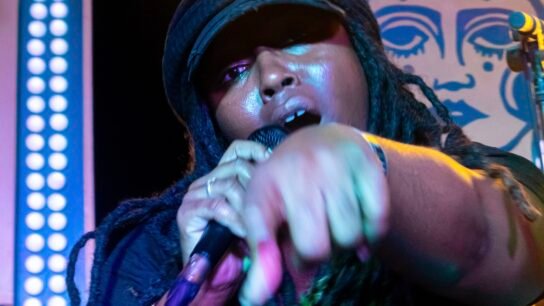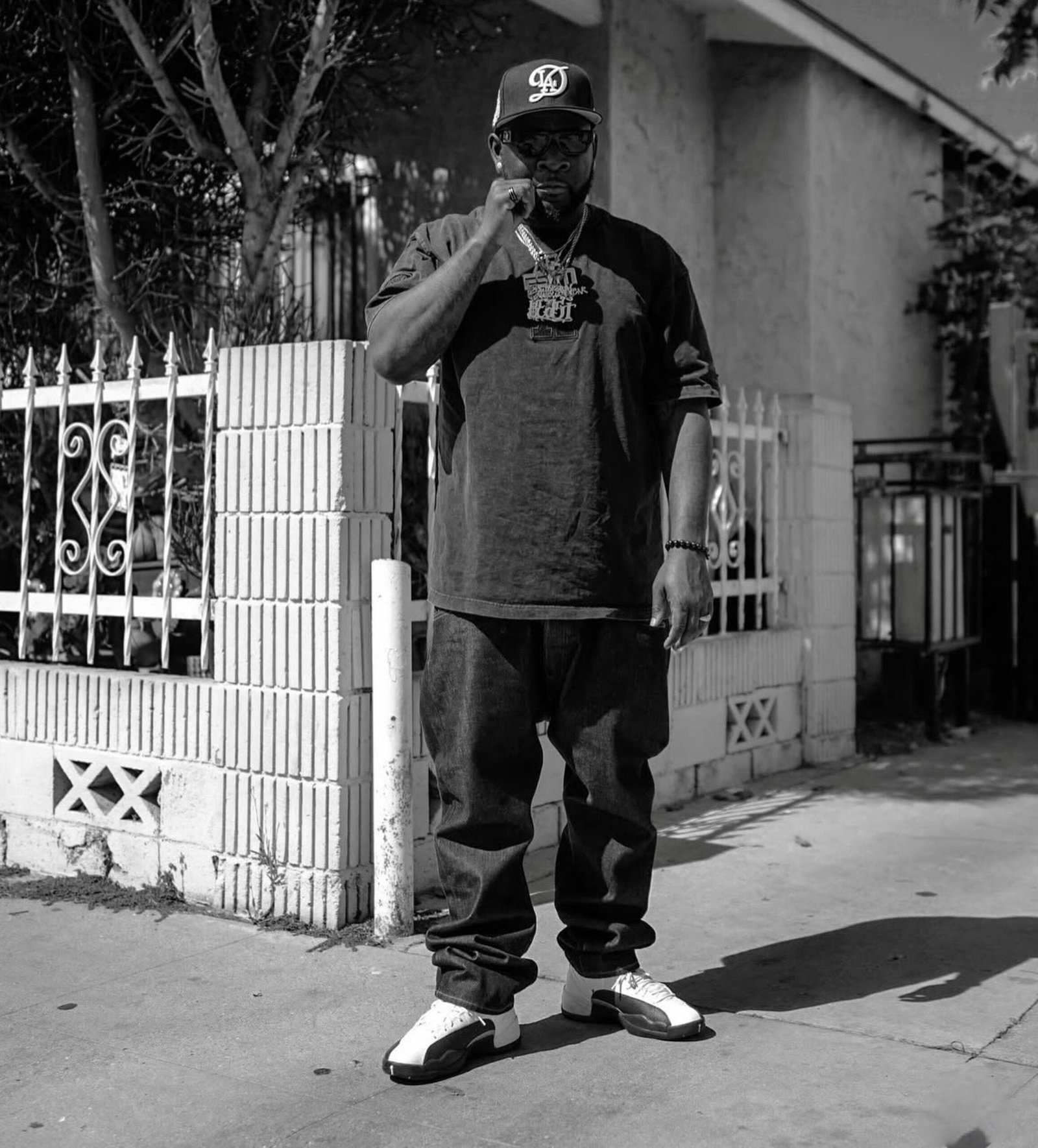
EastSide K-Boy’s story starts in the Low Bottoms on the east side of Los Angeles, rooted around 42nd, 43rd, and 48th Street—an area that shaped his perspective long before music gave him a voice. Unlike many of the stories that come out of similar neighborhoods, his upbringing was relatively stable. He had family support and structure, and his entry into the streets wasn’t driven by survival, but by proximity. His friends were already involved, and being young, loyal, and present in that environment pulled him closer to a life he didn’t necessarily need, but ultimately experienced.
Music became an outlet early on. Before any solo recognition, K-Boy was part of a group called Bloc Boyz with his close friend Ace. Those early days were raw and unpolished, built on camaraderie and ambition rather than industry goals. “Guido” who was their version of Dr.Dre in the sense of production and was a big part of EastSide K-Boy’s artist development. K-Boy also made connections with Glasses Malone, Jazzy D, and Pooh. Those are the connection’s that opened the door to the Blue Division movement. That moment quietly shifted his trajectory, placing him around artists and creatives who were serious about turning lived experience into lasting art.
Around 2005, he was introduced to Kendrick Lamar—long before the world knew the name. Those early encounters didn’t come with instant fame, but they planted seeds. Being around artists who treated rap like a craft, not a phase, helped sharpen his own approach and vision.
Still, K-Boy is the first to admit his journey wasn’t consistent. Life intervened in ways that made music feel secondary at times. Personal tragedies hit close to home, most devastatingly the murder of his brother. That loss changed everything. For a period, he stepped away from music completely, carrying grief that made it impossible to create. It wasn’t until his partner Ray pushed him to return—reminding him of both his talent and his purpose—that K-Boy slowly found his way back to the studio.
Following the release of his 2019 album Blue Valentine with Jdale, EastSide K-Boy continued to expand his reach, collaborating with a wide range of respected artists including Dave East, RJmrLA, The Game, Problem, TeeFLii, and others. During that run, he also delivered a string of standout visuals that helped define his momentum, with records like “Crip Walk (Plug Talk Remix),” “Really Out Here (Freestyle),” “The 4Pak,” and “I Got It (Remix)” reinforcing his presence and versatility while keeping his name active in the West Coast conversation.
“Demons” feels like the culmination of everything EastSide K-Boy has lived and carried up to this point. The record is unfiltered and heavy with truth, pairing his introspective, battle-worn delivery with Mozzy’s unmistakable intensity, creating a song that speaks to loss, survival, and the mental weight that comes with both. The response has been undeniable—the official video has already surpassed 500,000 views on YouTube alone, signaling not just momentum, but real connection.
Beyond music, EastSide K-Boy is intentional about where he puts his energy. Giving back to his community isn’t a branding move—it’s personal. He finds real fulfillment in supporting kids from his neighborhood, offering guidance, presence, and an example that shows there are multiple ways to move forward. He understands how easily paths can blur when you grow up surrounded by influence, and he takes pride in being someone younger kids can look at and trust.