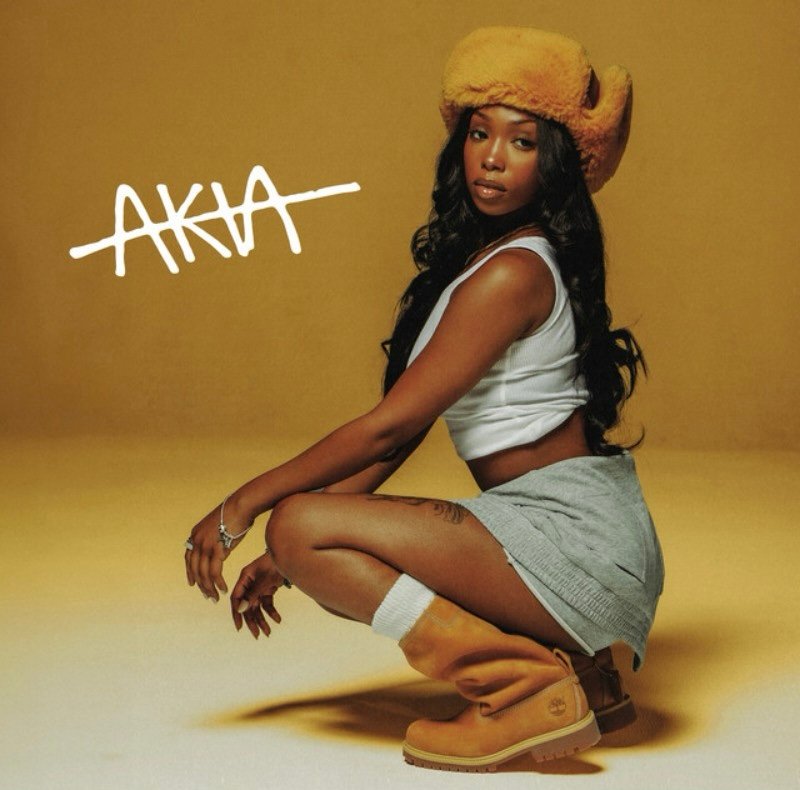
AKIA’s story begins in Forrest City, Arkansas—a place she describes with equal parts pride and honesty. “It’s a really small town,” she says. “Everybody knows everybody. Everybody’s damn near family.” That closeness, paired with the grit of her upbringing, helped shape the artist she’s becoming today: grounded, resilient, and deeply connected to her sound.
AKIA’s introduction to music wasn’t driven by industry dreams or formal training. It was simply always around. Her grandmother was a DJ, and some of her earliest memories involve weekends at skating rinks, watching crowds glide and groove to whatever was spinning. “That’s really where my love for music grew,” she reflects. Music wasn’t a distant idea—it was movement, energy, and community.
At home, music was less a choice and more a calling. Church was mandatory, and it didn’t take long for people to notice her voice. Even when she was hesitant, her parents insisted she sing, recognizing early on that she had something special. What started as obligation eventually became purpose.
Growing up, AKIA gravitated toward the raw emotional honesty of late ’90s and early 2000s R&B—music that didn’t shy away from heartbreak or vulnerability. That influence still runs through her work today. “When I was young, I really liked Keyshia Cole’s ‘Love,’” she says. “That was one of my favorite songs.” It’s an admission that makes sense when listening to her music: heartfelt, unfiltered, and unapologetically emotional.
Throughout school, AKIA performed at talent shows, steadily sharpening her confidence onstage. But her first real breakthrough didn’t come from a traditional venue—it came from Facebook Live. Singing covers from her living room alongside her mother, she began building an online audience almost by accident. “It used to be like 5,000 people on there once,” she recalls. “My mama and I used to be in our living room, and we would just do karaoke all night.”
Those viewers became her first believers—and her first critics. While fans loved the covers, they wanted more. “People would just be like, ‘You covering songs, but we want to hear you make your own songs,’” she says. That encouragement pushed her to take the next step. At just 15 years old, AKIA stepped into a recording studio for the first time, beginning the transition from singer to artist.
As her online following continued to grow, opportunity followed. AKIA moved to Atlanta to enroll in the Playlist Academy program, bringing her small-town work ethic with her. The move proved pivotal. She quickly rose to the top of her class and won the program’s ticket sales competition—an achievement that caught the attention of Atlanta-based label SinceThe80s, home to artists like J.I.D. and EarthGang. Soon after, AKIA signed a record deal, marking a major milestone in her journey.
Despite her rapid rise, AKIA remains clear-eyed about the realities of the industry. For her, perseverance isn’t just advice—it’s lived experience. “I feel like for any artist, it’s going to be rough in the beginning,” she says. “So all I can say is just to keep going. That’s the reason why I’m here. I kept going, like, even when it’s giving me lemons, I still make a way to squeeze.” It’s a mindset rooted in survival, creativity, and faith in her own voice.
That perspective shines through on her latest project, DUMBCRAZYSTUPID. The 11-track release is a confident statement of who AKIA is right now—emotionally open, self-aware, and unafraid to explore love in all its messy forms. Featuring a single guest appearance from Aaron Page, the project keeps the focus squarely on her storytelling and vocal presence. Standout tracks like “Back In Bed,” “Love Somebody,” and “Side Bitch SZN” showcase her ability to balance vulnerability with attitude, tenderness with edge.