Growing up in South Bend, Indiana Joe learned early that life wasn’t always simple. His relationship with his mother was complicated, something he admits he understands more clearly now as a man. At the time, he was hard to manage, and with two daughters to protect, his mother made the decision for him to stay with his grandparents. It wasn’t unusual in his world—it was just the way things worked out.
As he got older, Indiana Joe began realizing how much his environment was shaping him. The streets around him had their own influence, and his father’s reputation carried weight before he ever had the chance to speak for himself. In many ways, it felt like expectations were already placed on him before he had the chance to figure out who he truly was.
Being mixed—Black and white—added another layer to that experience. Indiana Joe often found himself caught between identities, never fully fitting into one category. People either misunderstood him or didn’t quite know how to see him at all. That confusion sometimes led to pressure, and that pressure often turned into fights as he felt the need to prove himself and stand firmly on who he was.
Unlike many others, Indiana Joe didn’t have older relatives or mentors guiding him through tough moments. There were no big homies or older cousins to lean on when things got real. Instead, he learned to stand on his own. Over time, that independence turned him into what he calls a one-man army—someone who not only protected himself but also the people around him.
Despite the hardships, Indiana Joe doesn’t look at those experiences with regret. Instead, he views them as the foundation of who he is today. Every scar, every lesson, and every challenge helped shape the person and artist he became.
Music, however, has been part of his life almost from the beginning. His grandmother bought him a karaoke machine when he was around five years old, but even before that, she was helping him write his first rap when he was only four. Back then, it didn’t feel like something unusual—it just felt natural.
By the time he reached fourth or fifth grade, Indiana Joe started taking music more seriously. Armed with a $5 microphone from RadioShack, he began recording himself and uploading songs to early internet platforms like MySpace and SoundClick. Those early recordings weren’t perfect, but they captured something important—authenticity. In fact, some of those songs are still floating around online today, documenting the beginning of his journey.
Musically, Indiana Joe was influenced by many of hip-hop’s most respected voices. Artists like DMX, Jay-Z, Nas, Tupac Shakur, and Eminem helped shape the way he approached music. Their storytelling, intensity, and honesty became a blueprint for the kind of artist he wanted to be.
Today, Indiana Joe describes his sound as authentic street music with emotion. While it carries the grit and energy of the streets, it also holds deeper layers of pain, storytelling, and reflection. For him, it’s not just about making turn-up records—it’s about creating music that people can truly feel.
Most of his music has been recorded wherever the opportunity presented itself. Sometimes that meant local studios, other times it meant working with friends or recording in whatever space allowed creativity to flow. The focus was always the same: lock in and create.
Growing up, much of his time was spent outside—on different blocks, at parks, and moving around various parts of South Bend. Those environments provided many of the experiences that later became stories in his music.
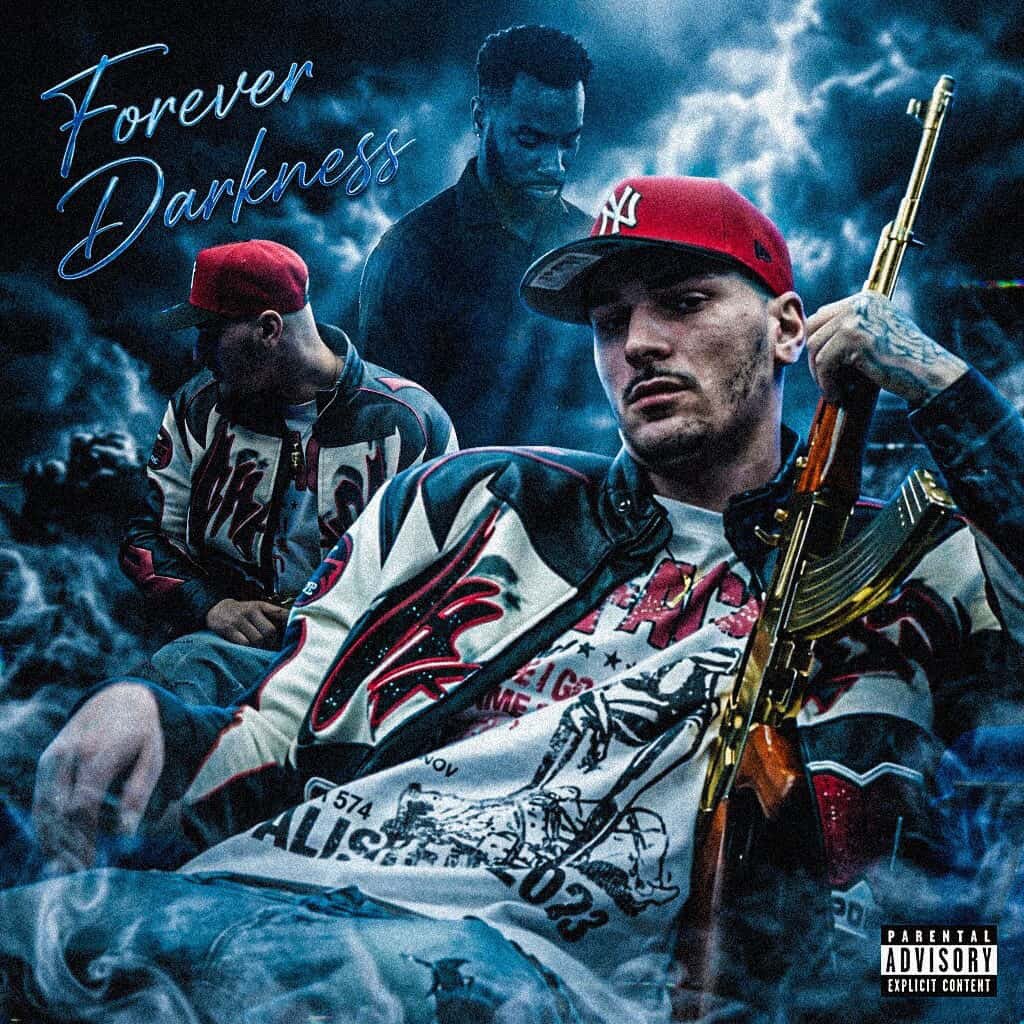
His most recent release is “Figure It Out,” a track from his upcoming album Forever Darkness. The project is one of the most personal bodies of work he’s created so far, touching on real pain, growth, and the experiences that shaped him.
Indiana Joe also shared that the project carries a deeper meaning. The album is dedicated to his brother, making it more than just another release—it’s a tribute.
He also took time to shout out the people who’ve been part of the journey, including his team The Faculty, as well as supporters like Rob 1, G Melskii, and Lime Green—everyone who continues to stand behind the movement.