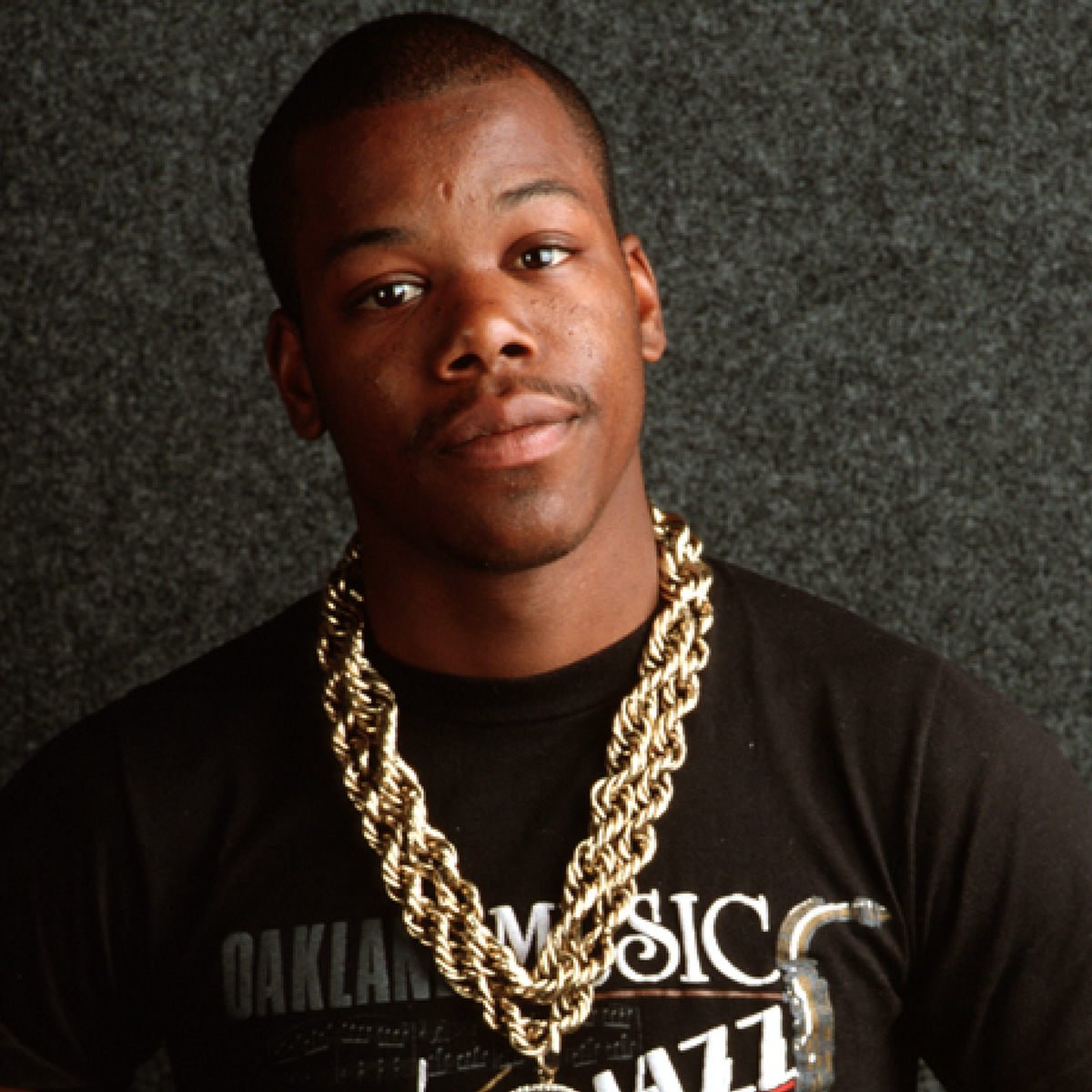
Few artists embody the evolution, and independence of West Coast hip-hop like Too $hort, a rapper whose career began long before the world took the Bay Area seriously and continues long after most artists from his era have faded out.
Raised in South Central Los Angeles until his early teens, he grew up in a stable household with parents who worked steady jobs and encouraged creativity. What shaped him most during these years wasn’t trouble or turmoil—it was music. Funk records, neighborhood culture, and the rhythm of Los Angeles in the 1970s formed his earliest soundtrack. When his family relocated to Oakland in the early 1980s, that soundtrack expanded. Oakland was different: louder, rawer, and overflowing with musical identity. The city’s energy quickly became the foundation of the voice he would later amplify to the world.
In Oakland, he attended Fremont High School, where he played drums in the school band—a detail he has mentioned many times because rhythm became the backbone of his entire style. But what truly set his journey in motion was a simple hustle: he and his friend Freddy B started making personalized tapes for people in the neighborhood. These homemade cassettes—recorded on basic equipment, sold hand-to-hand—became local currency. They reflected the language, humor, and reality of Oakland life at a time when national rap was centered in New York and just beginning to emerge in Los Angeles.
By the early 1980s, he doubled down on the hustle, recording songs with early drum machines and selling them directly from the trunk of his car. This do-it-yourself approach wasn’t trendy yet; it was necessary. There were no major labels looking for Oakland rappers, no executives scouting the Bay Area, and no blueprint for success in a region still developing its identity. He created demand from scratch, one tape at a time. His 1983 project Don’t Stop Rappin’ was among the first rap albums to ever use the now-iconic TR-808 drum machine, establishing the minimalist, bass-heavy sound that would define his early catalog.
His independent grind paid off when Born to Mack, originally self-released, caught the attention of Jive Records. That partnership launched him onto the national stage. The late ’80s and early ’90s brought platinum plaques, classic albums, and some of the most recognizable songs in West Coast history. Tracks like “The Ghetto” showed his ability to reflect on systemic struggles with clarity and depth, while songs like “Blow the Whistle” became cultural staples that still echo through clubs, arenas, and sports stadiums decades later.
What made him stand out wasn’t just content—it was perspective. His conversational flow, Oakland slang, and unapologetically explicit storytelling carved out a lane no one else occupied. He brought the “player” persona into hip-hop’s mainstream, not as a gimmick but as a reflection of a lifestyle and attitude deeply tied to Bay Area culture. His stories—humorous, gritty, brash, and brutally honest—mirrored a world that mainstream America rarely saw, and he delivered them with charisma and a tone that became instantly recognizable.
Even at the height of his success, he never stopped being an entrepreneur. He launched his own label, continued developing young artists, and consistently emphasized ownership long before independence became a standard conversation in the music industry. His influence extended beyond music into mentorship, business ventures, and community engagement, especially in Oakland, where he remained a cultural pillar.
What makes his career remarkable is its longevity. While most rappers from the mid-1980s have long since disappeared from the charts, he continues recording, performing, collaborating with new generations, and reminding the world why he remains a foundational voice in West Coast culture. He has spoken in interviews about survival, growth, fatherhood, and the perspective gained from decades in the game, often noting that he never expected to become a legend—he just wanted to make tapes people liked.
Today, his legacy is cemented: a pioneer who helped define the Bay Area sound, an independent hustler who built a movement from nothing, and one of the most influential voices in rap history. His journey—from selling tapes in East Oakland to performing on the biggest stages in the world—is a testament to authenticity, resilience, and the power of staying true to where you come from.