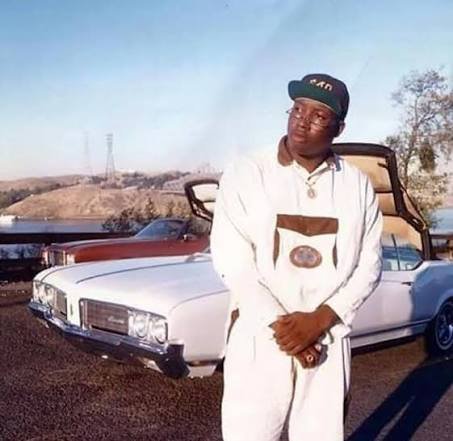
Long before the business ventures, slang inventions, and platinum records, E-40 was just Earl Stevens, a kid growing up between hardship and hustle in Vallejo. Raised in a household that understood survival, he watched his parents work tirelessly to provide for the family while also navigating the realities of life in Northern California during a difficult era. The environment around him moved fast, and like many young people growing up in Vallejo at the time, he learned early that nothing would be handed to him.
Even as a kid, E-40 stood out because of the way he thought. He paid attention to people, conversations, and the language used around him. That creativity later became one of the biggest trademarks of his career. Long before social media made catchphrases popular, E-40 was creating his own words and turning everyday street talk into something unforgettable.
Music first became serious during his teenage years. Alongside his cousin B-Legit and his brother D-Shot, he started building what would eventually become The Click, a group that helped shape the sound of the Bay Area. At a time when the music industry largely ignored independent West Coast artists outside of Los Angeles, E-40 and his team found ways to create their own movement without waiting for validation from major labels.
What separated E-40 from many artists was his mindset. He never approached music as just entertainment. He treated it like ownership. While many rappers chased deals, he focused on independence, distribution, and learning the business side of the industry. That approach helped him build a career that lasted decades instead of moments.
By the early 1990s, E-40 was becoming one of the most important voices coming out of the Bay Area. His flow sounded different from everybody else. The slang was unique. The storytelling felt real. Albums like Federal and In a Major Way helped establish him as a major figure in West Coast rap, while also bringing national attention to Vallejo and the Bay Area’s culture.
As hip-hop evolved, E-40 found ways to evolve with it without losing who he was. He moved comfortably between generations, collaborating with younger artists while still maintaining the respect of rap legends. His influence could be heard across the industry, especially in the way artists embraced regional slang, independent grinding, and unconventional flows.
Outside of music, E-40 expanded into entrepreneurship, building businesses in food and beverages while continuing to represent Northern California everywhere he went. Still, through all the success, he never stopped speaking proudly about Vallejo and the culture that raised him.
What makes E-40’s story stand out is not just longevity. It’s consistency. He came from a city that rarely received mainstream attention and turned himself into one of the most respected independent artists hip-hop has ever seen. Decades later, his impact still reaches far beyond music. For many people, E-40 represents creativity, ownership, and the idea that staying authentic can outlast trends.