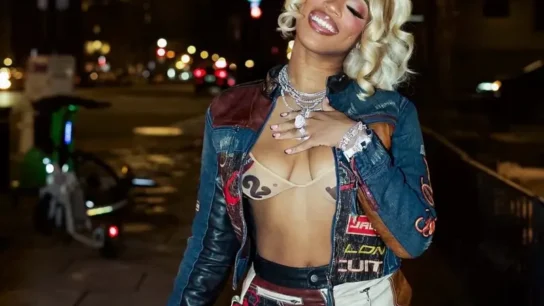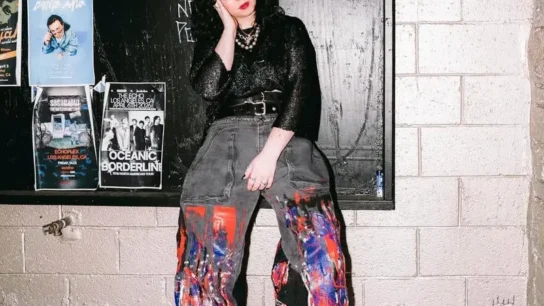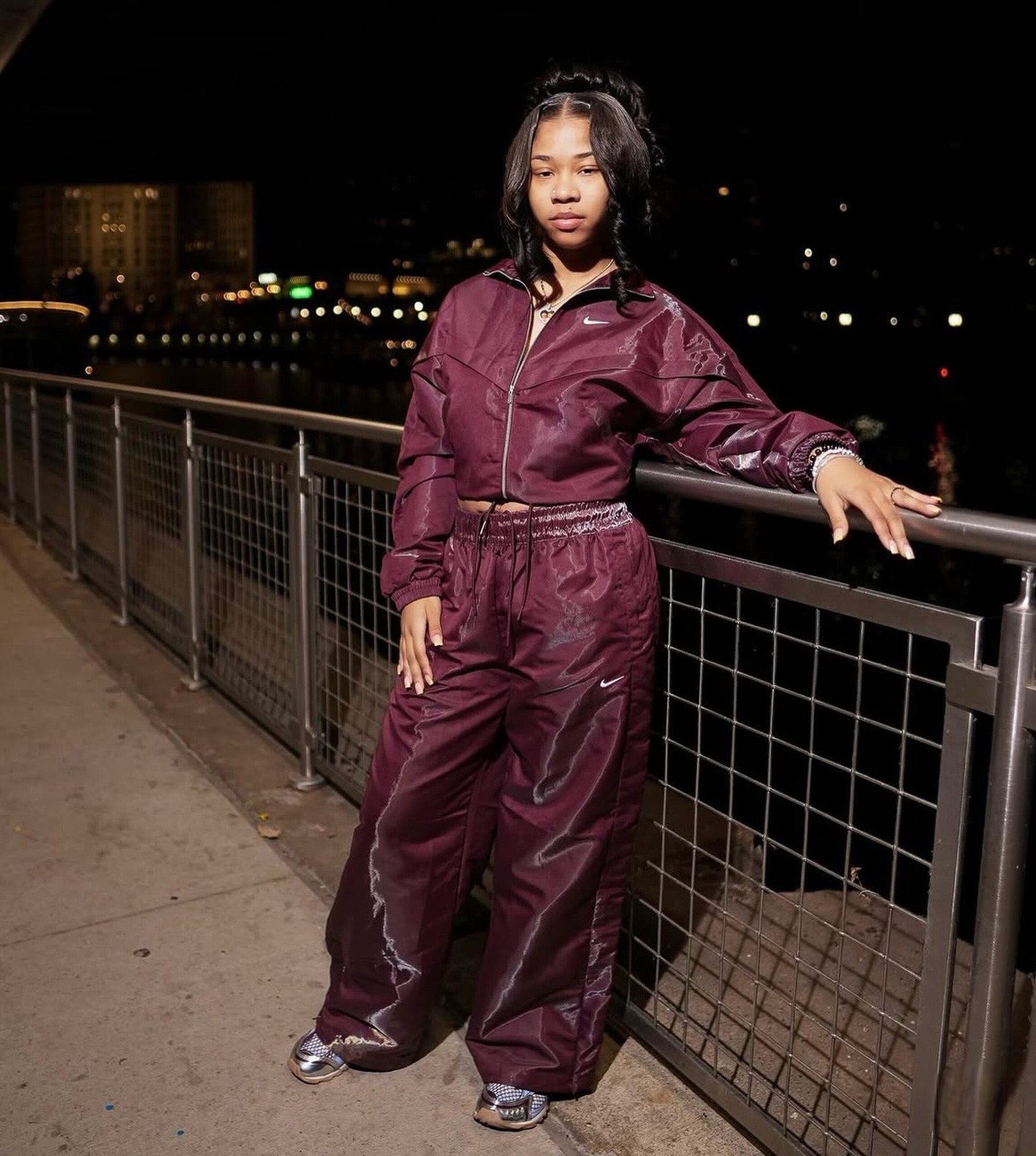
Raised in Chicago around the 69th and Rockwell area, Lady Binladen grew up surrounded by family. Much of her childhood was spent around her cousins and brothers, creating memories and experiences that would help shape who she became. She shared a close relationship with both of her parents. While she considered herself somewhat of a daddy’s girl, she often felt that her personality reflected her mother’s more than anyone else’s.
One of the most difficult moments of her life came when she lost her father at around 14 years old. The loss had a lasting impact on her and came during a period when she was already facing challenges. As a teenager, she describes herself as being very angry throughout high school, carrying emotions that she struggled to fully express.
That frustration eventually became the foundation of her music career.
Unlike many artists who spend years planning their path into the industry, Lady Binladen’s introduction to music happened naturally. She began recording songs as a way to release built-up emotions and speak on situations she was dealing with in her personal life. In fact, she openly shares that her first records were directed at her child’s father, giving her an outlet to vent frustrations she had been holding inside.
At the time, music wasn’t a career goal. It was simply something she did for fun and a way to express herself. Early on, she felt she could only rap when she was angry and had something real to talk about. Those emotions became her biggest source of inspiration and helped create the raw honesty that listeners connected with.
What started as personal expression quickly gained attention. After releasing her first track, she followed it up with another song that also performed well. From there, the momentum began building on its own. Her music started gaining traction organically, and interest began growing before she even had an official personal release available. The response showed that people were connecting with her authenticity and the real stories she was telling.
As her career continued to grow, Lady Binladen expanded her catalog with records that helped establish her name, including “Not Yours,” “Evil Twin,” “Fall In Love,” and “I’m The One That You Need.”
She also teamed up with fellow artists Aspen Kartier and BigJadaa on records such as “Triple Threat,” “Tryna Crush,” and “What We Miss,” further showcasing her ability to collaborate while maintaining her own identity.
From a young woman using music as an outlet for anger and frustration to an artist building a growing catalog and loyal audience, Lady Binladen’s story is a reminder that some of the most powerful music comes from real-life experiences. Her journey wasn’t built on a blueprint—it was built on honesty, emotion, and a willingness to turn life’s challenges into something creative.