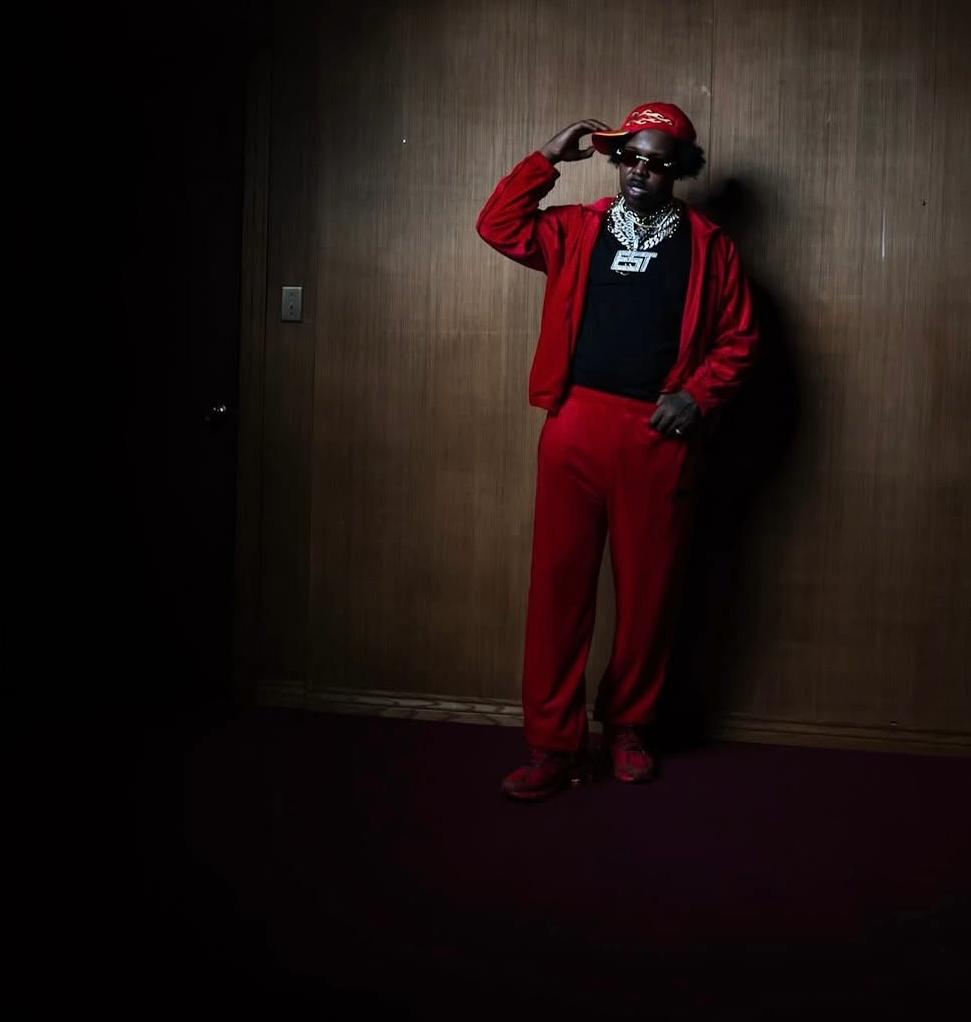
Born and raised in Louisville, EST Gee’s upbringing was influenced by the realities of his neighborhood. He describes an environment where many of the struggles he experienced were not unique to his city but reflected circumstances shared by communities across the country. Those experiences became part of who he was long before he ever considered making music.
Music was not necessarily his first passion as a child. However, he grew up listening to the records his father played, including artists like Scarface and Jay-Z. Although he wasn’t focused on becoming an artist at the time, those sounds would eventually become part of his musical foundation.
His relationship with his father was complicated but meaningful. His father spent time incarcerated while he was young, creating a different kind of upbringing. Despite the distance, EST Gee says he learned valuable lessons from his father’s experiences, particularly about decisions, consequences and understanding how one’s actions can shape the future.
Growing up, material things were not always available. Having the clothes or shoes he wanted was not something he could take for granted. Looking back, those early experiences helped shape his perspective on money, opportunity and the importance of being able to provide for the people he loves.
Sports also played an important role in his childhood. In Louisville, football and basketball were more than just games; they were part of the culture. EST Gee was a talented football player and eventually earned an athletic scholarship. At one point, sports offered him a different path, but circumstances would ultimately take his life in another direction.
The streets became part of his story, but they weren’t the only thing that defined him.
As he got older, life presented challenges that would change his trajectory. Legal issues and circumstances that prevented him from returning home forced him to reconsider his situation. Music, which had once been something he simply listened to, began to look like a possible way forward.
His decision to rap did not come from a lifelong dream of becoming a performer. It came from having something to say and realizing that there were stories from Louisville that he felt weren’t being told.
EST Gee believed nobody was really speaking about the experiences he and the people around him were living. He wanted his music to reflect those realities without dressing them up or trying to make them sound different. His approach was personal, direct and rooted in the environment that raised him.
With access to basic recording equipment, he began experimenting with music and putting his experiences into records. What started as an outlet gradually became something bigger. He recognized that his voice could reach people beyond his neighborhood and potentially create opportunities that once seemed out of reach.
A major turning point came when he connected with his manager, Nigel, who recognized his potential and helped him take the next steps. That relationship provided direction during an important period in his development and helped position him for opportunities within the music industry.
His career continued gaining momentum through connections and relationships that expanded his reach. His partnership with Yo Gotti and the support of Lil Baby helped introduce his music to a much wider audience. What began with documenting life in Louisville was becoming a career with a national presence.
But success did not mean the difficult chapters were behind him.
Around 2019 and 2020, EST Gee was shot five times, adding another painful chapter to a life already marked by adversity. More recently, he experienced two devastating personal losses: the death of his mother from leukemia and the killing of his brother shortly afterward.
Those losses represent a different kind of pain, one that extends far beyond music or public recognition. Through it all, he has continued moving forward, with fatherhood becoming one of his strongest sources of purpose.
Being a father has given him another reason to stay focused. His motivation is no longer just about changing his own circumstances. It is also about creating a better life for his children and making sure his family has opportunities that were not always available to him growing up.
That responsibility is reflected in his commitment to his career and his label, EST (Everybody Shine Together). The name represents more than a business or a musical movement. It reflects the importance of building something with the people who have been part of the journey.
Musically, EST Gee has continued building a catalog that represents different chapters of his growth. Records such as 5500 Degrees, Route 66, Everybody Shooters Too, Shoot It Myself, Thump Shit, Special Remix, Young Shiners, Undefeated and The Realest have helped establish his sound and strengthen his position in hip-hop.
His collaborations with artists such as Sada Baby, Icewear Vezzo and Payroll Giovanni have also connected him with different audiences while keeping his music rooted in the street-centered sound that helped introduce him to listeners.
Today, EST Gee’s story is about more than where he came from. It is about the experiences that shaped him, the people he has lost, the family he continues to build and the opportunities he created through music.
He never set out with a traditional blueprint for becoming a rapper. Life pushed him toward music, and he used it to tell a story that he felt needed to be heard. Louisville remains at the center of that story, serving as the foundation for both his perspective and his sound.
With his newest album, ** Bigger Than The Devil **, out now and available on all streaming platforms, EST Gee continues adding to a journey that has never been defined by one chapter.
From growing up in Louisville to becoming an established name in hip-hop, his path has been shaped by setbacks, loss, ambition and perseverance. His story is a reminder that sometimes the direction of your life changes when you find a way to turn your circumstances into something greater.