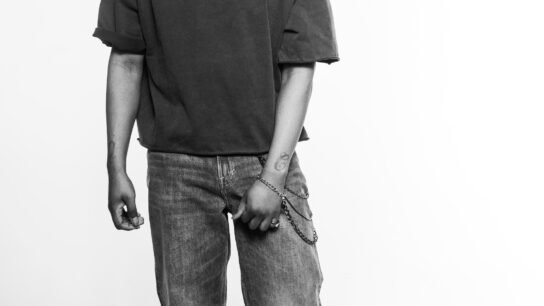
Storm DeBarge’s journey as a dancer is a reflection of culture, resilience, and purpose. Raised in Los Angeles, she was immersed in music and movement from an early age, often dancing alongside her mother before she ever imagined turning it into a career. What began as a natural love for movement quickly evolved into something deeper as Storm found her footing within LA’s street-dance scene, where authenticity, originality, and presence mattered just as much as technique. During the rise of the jerking era, she stood out not only for her talent but for her fearlessness, becoming the only female member of the well-known DropDead Inc. crew and earning recognition online through early viral dance videos that showcased her unmistakable style.
As her presence grew, Storm became known as one of the leading women in hip-hop and street dance, often referred to as the “Queen of the Dougie” for her influence and command of the style. Social media helped amplify her reach, but it was her consistency and cultural grounding that allowed her to transition from internet visibility to major industry stages. That transition marked a turning point when she began working with top choreographers and artists, including a standout performance with Megan Thee Stallion at the BET Awards, signaling her arrival in mainstream entertainment.
One of the most defining moments of Storm DeBarge’s career came in 2022 when she performed in the Super Bowl LVI Halftime Show at SoFi Stadium. The historic performance, which celebrated West Coast hip-hop, featured legends such as Dr. Dre, Snoop Dogg, Mary J. Blige, Eminem, and Kendrick Lamar. Under the creative direction of choreographer Fatima Robinson, Storm played a vital role in bringing authentic Los Angeles dance culture to one of the largest stages in the world. From performing atop a lowrider to executing culturally rooted movement like C-walking, her presence represented more than choreography—it symbolized the city and the community that shaped her.
Her connection with Kendrick Lamar continued beyond the Super Bowl. Lamar took notice of Storm’s artistry and commitment to culture, later inviting her to perform at his Juneteenth celebration, The Pop Out: Ken & Friends, an event that blended music, history, and community pride. Storm also appeared in Lamar’s viral “Not Like Us” music video, which quickly became a cultural moment of its own. The visual, filmed across recognizable Los Angeles locations, highlighted the city’s spirit while placing dancers like Storm at the center of the narrative, further reinforcing her role as a cultural contributor rather than just a background performer.
While her resume includes some of the biggest stages and artists in the world, Storm DeBarge’s impact extends far beyond performance. She is deeply committed to giving back, mentoring younger dancers, teaching classes, and preserving the integrity of LA’s street-dance traditions. Through leadership roles, movement direction, and her involvement in all-women creative collectives like THECouncil, she actively creates spaces where dancers—especially women—can support one another and grow. Her work emphasizes education, empowerment, and sustainability in an industry that often overlooks the voices of dancers once the spotlight fades.
Storm has also been vocal about advocating for fair recognition and treatment of dancers, challenging outdated norms that undervalue movement artists despite their cultural influence. She uses her platform to encourage the next generation to stay rooted in their identity, master their craft, and understand the business side of the industry, ensuring longevity rather than momentary fame.