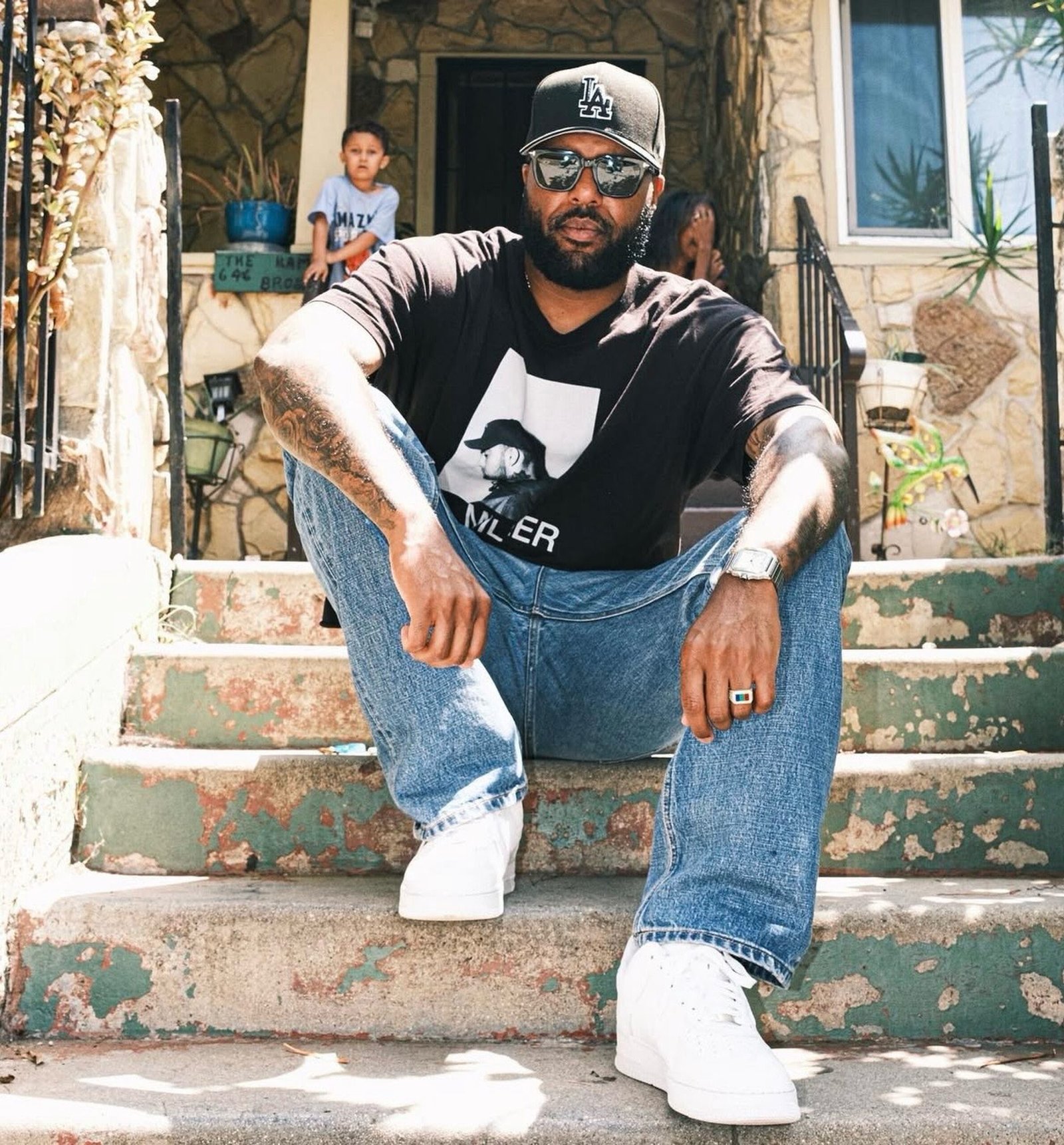
Dom Kennedy stands as one of the most authentic voices to emerge from Los Angeles in the modern hip-hop era. Rising from the neighborhoods of South Los Angeles, his journey is defined by independence, consistency, and a relentless belief in his own voice. In an industry often driven by trends and major label influence, Dom carved his own path — building a fanbase, his brand, and an entire career on his own terms.
Born Dominic Ross Hunn in 1984, Dom Kennedy’s interest in music began early. Surrounded by the sounds of West Coast hip-hop, he grew up influenced by the regional rhythms and storytelling traditions that shaped rap’s Golden Age. But unlike many of his peers who chased fast attention or major deals, Dom remained grounded in the craft and rooted in his own community. He started recording music in his teenage years, developing a sound that combined laid-back delivery with vivid depictions of life in Los Angeles.
Dom’s break didn’t come through a major label or radio hit — it came through sheer consistency. In 2008, he released “Future Street/Drug Sounds”, a project that hinted at his potential but also showed a hunger for artistic growth. With each subsequent project, he sharpened his lyrical focus and refined his production choices, creating a catalog that blended poetic calm with hard-nosed realism. Mixtapes like “25th Hour” and “Future Street/Drug Sounds 2” built early buzz, but it was his 2010 release “From the Westside With Love” that truly introduced Dom to a wider audience.
What set Dom apart was his unwavering commitment to independence. At a time when many artists were signing away control, Dom leaned into the growing digital scene — selling his music directly to fans, using social platforms to cultivate buzz, and performing relentlessly. His sophomore effort, “From the Westside With Love 2”, elevated his reputation and solidified his signature style: smooth flows, relaxed but confident cadence, and narratives that spoke to everyday life.
In 2013, Dom Kennedy released his first official studio album “Get Home Safely”, a project that marked a milestone in both creativity and outreach. Distributed through his own label and with independent success, the album demonstrated that artists could thrive outside the traditional industry mold. Songs from the project resonated with fans and critics alike, earning praise for its introspective lyricism, West Coast soul samples, and Dom’s effortless charisma behind the mic.
His next albums “By Dom Kennedy” (2015) and “Los Angeles Is Not For Sale, Vol. 1” (2016) continued this trajectory, exploring deeper themes of personal growth, friendships, loyalty, and life in the city that shaped him. Each project showcased Dom’s control of rhythm and wordplay, balanced with vivid storytelling that grounded the listener in his world. No matter how many releases he delivered, his authenticity remained the constant heartbeat of his art.
Beyond his music, Dom Kennedy also became known for his business acumen. As one of the pioneers of the indie rap model in the 2010s, he inspired a generation of artists to think creatively about their careers, leverage grassroots support, and build direct relationships with listeners. His influence spread beyond Los Angeles, proving that independent artists could sustain long, impactful careers without giving up artistic control.
Dom’s impact on culture extends into visuals and collaborations as well. He worked with artists across genres and pushed creative boundaries while staying true to his aesthetic — sun-drenched imagery, smooth grooves, and lyrical clarity. Whether performing for packed crowds or dropping new music on digital platforms, he ensured his voice remained unmistakable.
As the years progressed, Dom’s work continued to evolve. His commitment to authenticity never wavered, and his catalog remains a testament to what’s possible outside the mainstream machine. Fans still praise his ability to capture the soul of Los Angeles — from low-rider car culture to late night reflections and everyday hustles — through beats and bars.