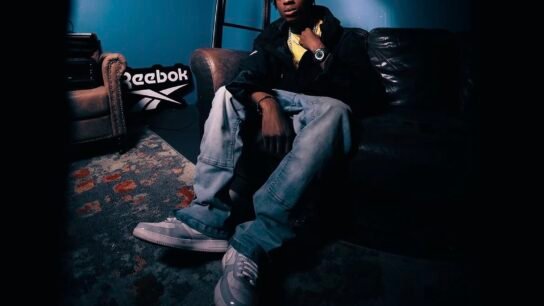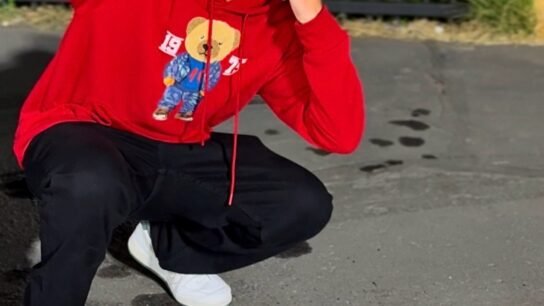
Bronx has always been known as a place where artists build their names from the ground up, and Baby Osamaa is doing just that. The underground rapper is recognized for her versatility and her ability to move between different sounds with ease. She first gained major attention with her breakout track “Cut Me Off.” The momentum from that record helped push other songs like “No Label,” “Osama 4 President,” and “Kill Bout Mine” into becoming sleeper hits in the underground scene.
Baby Osamaa started making music around 15 years old. High school played a big role in shaping her path. During lunchtime, students would gather in the cafeteria and rap. For her, it was a way to connect with people. She had just entered high school and wanted to find her place. Battle rapping became her introduction. She enjoyed being in the spotlight, and once she saw people responding to her talent, she began to take music seriously.
In the beginning, she was not the one paying for studio time. People around her believed in what she could become. Some classmates and people from her neighborhood saw her potential and invested in her. She started spending more time focused on music, even skipping school at times to be in the studio. Eventually, someone began covering her studio sessions regularly. She built a strong relationship with her engineer, stayed consistent, and kept recording.
She understands that time moves fast. There is no room to waste opportunities. Baby Osamaa feels a responsibility to give back to the people who supported her early on. Their belief in her pushes her to work harder. She sees her career as a mission, not just a hobby.
Before music, she had another creative outlet. As she entered high school, she began making her own clothes. She could not keep up with every new sneaker release or fashion trend, so she created her own style. Her custom pieces started getting attention. People first noticed her for her fashion, and that recognition opened doors for them to see her talent in music as well.
Her musical influences may surprise some listeners. Instead of focusing only on modern rap, she listens to vintage music, including records from the 1920s. Her grandfather helped raise her and often played jazz around the house. Artists like Jimmy Smith, David Ruffin, and The Temptations were part of her early soundtrack. She respects older music because it was not just about going viral or getting views. It was about feeling and craftsmanship. That influence shows in her approach to her own work.
Her latest album, “SKIDMARKS,” is an 11-track project with no features. It stands as a clear statement of who she is as an artist. By handling the entire project on her own, Baby Osamaa shows confidence in her voice and her vision.
From high school cafeteria battles to building a growing catalog in the underground, Baby Osamaa continues to prove that belief, consistency, and originality can take an artist far.