Born and raised in the neighborhoods of Watts and Compton in Los Angeles, California, Malone’s early life was shaped by the surrounding environment. Growing up in an area marked by poverty, gang activity, and family struggles, he found himself immersed in street culture from a young age. His mother was also an hustler herself and later served a prison sentence, a time in his life that would leave a lasting impact on him.
Music eventually became Malone’s outlet and pathway out of a cycle of street activities. Rather than glorifying the life he saw around him, Malone turned to music as a constructive form of expression, using his real-life experiences to fuel his lyrics and artistic vision.
In the early 2000s, Malone began building his presence in the rap scene with street mixtapes that quickly gained traction. Releases like The Crack Mixtape (2003) and White Lightning (2005) grabbed attention across Los Angeles, selling thousands of copies and establishing him as a rising force in West Coast hip-hop. These early releases created significant buzz, sparking interest from major labels.
A high-profile bidding war followed, drawing attention from major players like Def Jam, Atlantic Records, and Aftermath Entertainment. Ultimately, Malone signed a lucrative distribution deal with Sony Urban Music and secured his own imprint, Blu Division, in 2005.
Unfortunately, industry restructuring led to the dissolution of Sony’s urban division, and Malone found himself back independent.
Unfazed, Malone quickly found a new home by partnering with Cash Money Records and Hoo-Bangin’ Records, an imprint connected to West Coast MC Mack 10. Under this new deal, he released the single “Certified,” featuring Akon, in 2007. The track became a defining moment in his career, drawing national attention and becoming a staple on hip-hop radio.
Despite several delays, Malone’s long-awaited debut album Beach Cruiser was finally released in 2011. The record featured notable singles like “Certified,” “Haterz” featuring Birdman and Lil Wayne, and “Til da Sun Come Up” with Rick Ross, T-Pain, and Birdman — cementing his place in the genre with a blend of gritty lyricism and West Coast swagger that reflected his roots.
Over the years, Glasses Malone continued to evolve as an artist. He released multiple projects, including mixtapes and follow-ups that showcased his range and commitment to the culture, such as Glass House and Glass House 2: Life Ain’t Nuthin’ But… His collaborations span artists across the industry spectrum, including appearances with Tech N9ne, Slaughterhouse, Lil Wayne, Birdman, T-Pain, and Rick Ross — demonstrating both his versatility and respect among peers.
Beyond music, Malone has used his platform to explore deeper cultural topics and reflect on the broader impact of hip-hop. His 2019 track “2Pac Must Die” offered a bold narrative perspective on Tupac Shakur’s death, earning millions of views and high-profile interviews. He’s also revisited classic West Coast sounds with tracks like “6 ‘N the Mornin’ (GMX),” bringing iconic voices such as Ice-T and Snoop Dogg into the conversation.
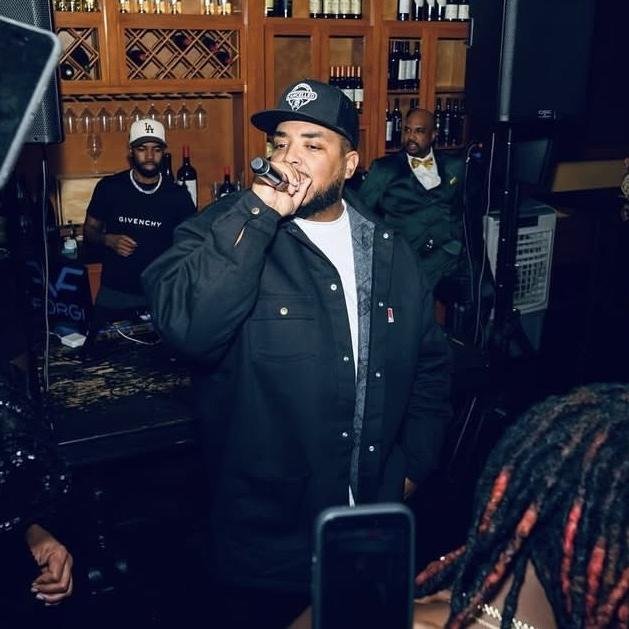
In addition to his music career, Glasses Malone has become a powerful spokesperson for West Coast culture and hip-hop, using his voice to preserve its history and push its conversations forward. Today, he’s also a prominent media figure, hosting his own podcast No Ceilings, where he breaks down music, street politics, culture, and the evolution of the West Coast with raw honesty and deep insight. Beyond his own platform, he appears across numerous shows under the FMW umbrella, offering perspective as one of the region’s most respected and authentic voices. His transition from artist to cultural commentator has solidified him as a key storyteller for Los Angeles and the West Coast at large.