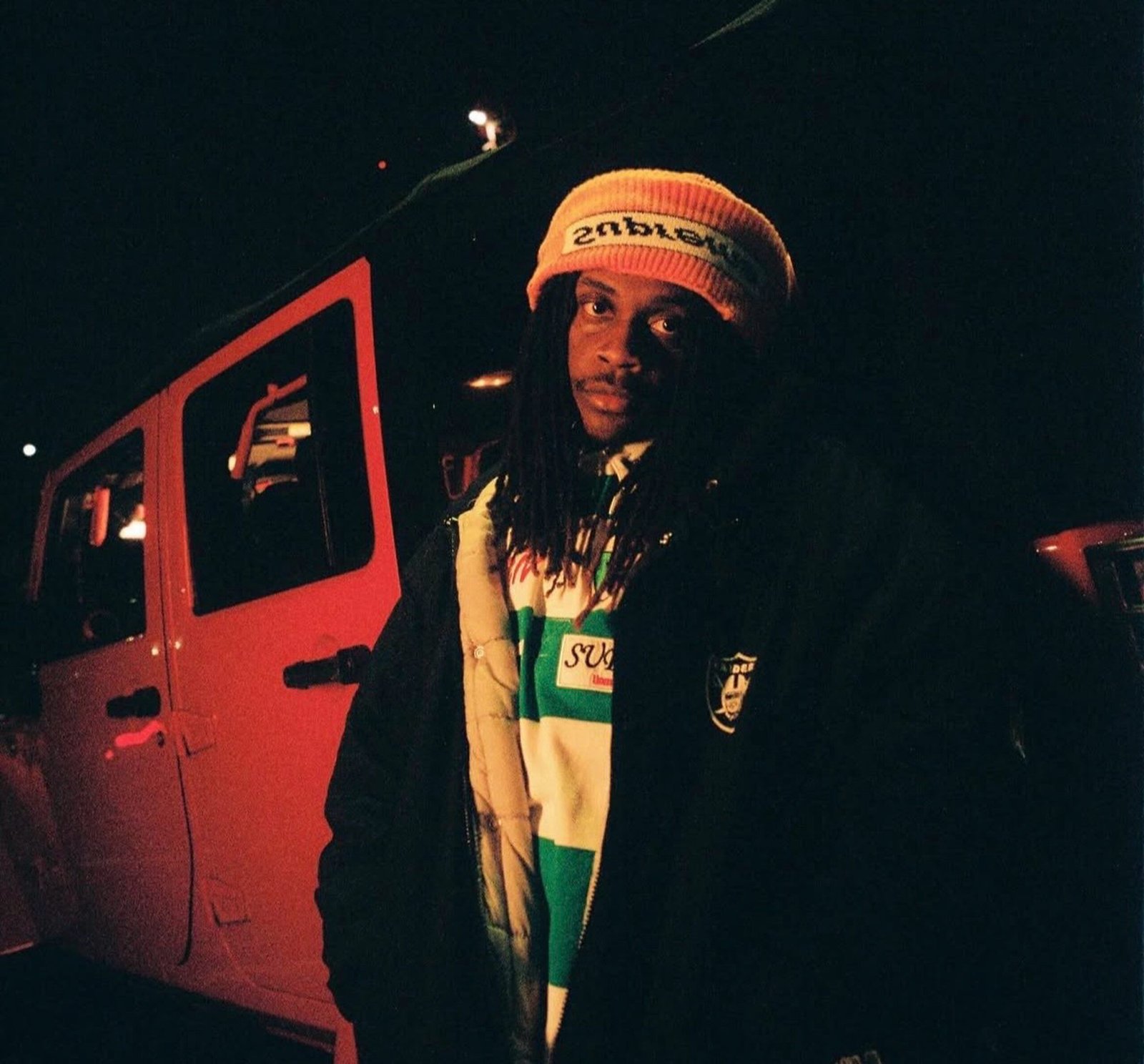
Raised in Atlanta, Marco Plus grew up with music woven into the fabric of his everyday life. Creativity wasn’t something he stumbled into later on — it surrounded him from childhood. With family members connected to music and the energy of the city’s ever-evolving hip-hop scene in the air, he began freestyling at a young age, sharpening his voice before he fully understood the weight of the path he was choosing. Atlanta’s rich rap lineage gave him both inspiration and quiet pressure. Greatness felt close enough to touch, but far enough to demand sacrifice.
That sacrifice came early. As a teenager, Marco made the bold decision to leave high school and chase music full-time. It was a gamble rooted in belief, but belief doesn’t cancel out struggle. He moved between homes, spending time in Atlanta before relocating to Pensacola to live with his father. The transition wasn’t glamorous. He earned his GED, worked jobs that felt disconnected from his ambition, and wrestled with feelings of isolation. During this period, depression and substance use began to creep into his life, threatening to blur the vision he once held so clearly.
Music became both an outlet and a lifeline. In the mid-2010s, Marco began releasing songs on SoundCloud, carving out a small but loyal following drawn to his raw honesty and technical sharpness. The early releases didn’t bring overnight fame, but they built foundation. Each project felt like a step toward self-discovery. By the time he released “Cold Soul,” listeners began to hear something deeper — a rapper willing to confront his own flaws, fears, and emotional scars. His vulnerability separated him from peers chasing surface-level trends. He wasn’t just rapping to impress; he was rapping to process.
Behind the scenes, however, the internal battle continued. Marco has spoken candidly in interviews about confronting addiction and the mental toll that came with chasing dreams while fighting personal demons. Recovery wasn’t a single turning point but a gradual reclamation of control. It required honesty, discipline, and a shift in perspective. Instead of numbing his pain, he began channeling it into sharper writing and more intentional living. The same intensity that once fueled self-destruction started fueling his craft.
As the early 2020s unfolded, Marco Plus steadily cemented his name within Atlanta’s underground circuit. His lyrical agility — weaving technical bars with introspective storytelling — earned him respect from peers and critics alike. He balanced Southern grit with reflective depth, embodying the hunger of a rapper who knew what it felt like to nearly lose everything. Touring opportunities and collaborations expanded his reach, but his core identity remained intact: a survivor determined to outwork doubt.
That resilience crystallizes in his latest album, MARCO PLUS vs. tha Underworld: Survivor’s Cut. The project feels less like a collection of songs and more like a personal manifesto. Across its sprawling tracklist, Marco positions himself against the “underworld” — a metaphor for addiction, depression, temptation, and the systemic obstacles that shadow his journey. The production moves between haunting atmospheres and hard-hitting rhythms, mirroring the emotional tug-of-war at the heart of the album. Lyrically, he sounds sharper, clearer, and more self-assured than ever. There’s hunger in his delivery, but also reflection. He raps like someone who has stared at his lowest moments and decided they would not define him.
What makes Survivor’s Cut resonate isn’t just technical ability; it’s the transparency. Marco doesn’t romanticize his struggles. He acknowledges the darkness while emphasizing growth. The album captures the duality of a man who understands both vulnerability and strength — someone who has learned that survival is not passive, but active. Every verse feels earned.
Marco Plus’ journey is still unfolding, but his evolution is undeniable. From a kid freestyling in Atlanta to an artist confronting addiction and transforming pain into purpose, his story carries weight. He represents a generation of rappers unafraid to speak openly about mental health and personal battles while still delivering the lyrical precision hip-hop demands. In a genre that often rewards image over introspection, Marco’s authenticity stands out.
If MARCO PLUS vs. tha Underworld: Survivor’s Cut proves anything, it’s that Marco Plus isn’t just chasing success — he’s building legacy through survival. And for an artist who once faced losing himself to his own demons, that alone is a victory worth documenting.