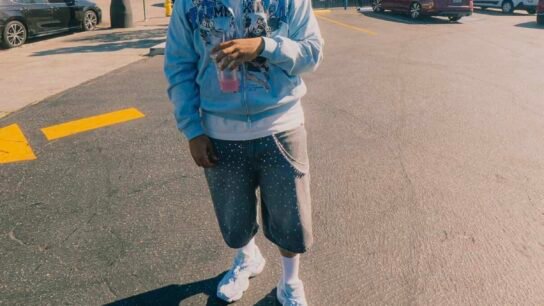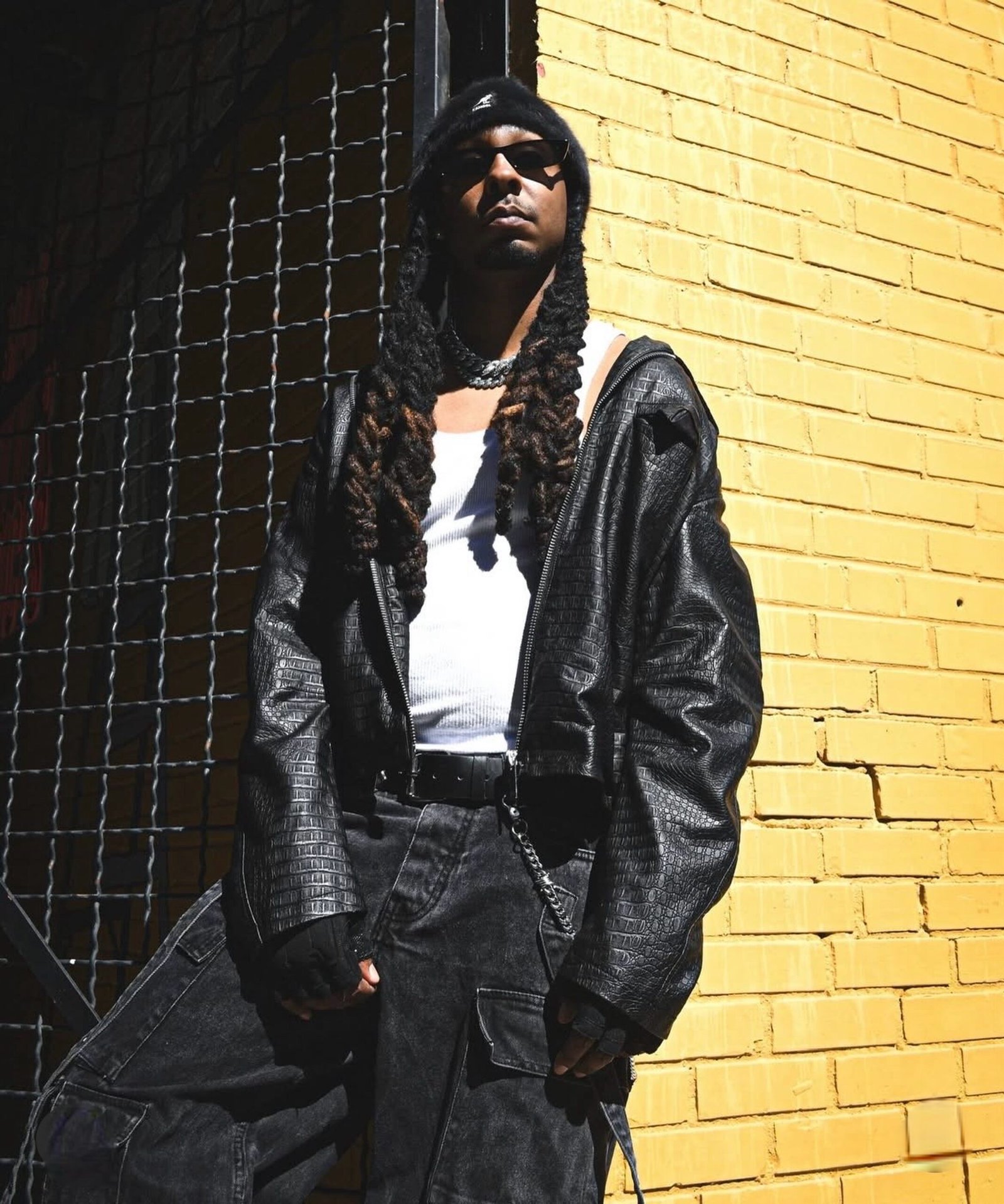
1K Phew’s journey is rooted in real life, real faith, and real growth. Born Isaac Gordon and raised in Atlanta, he came up surrounded by the same pressures, temptations, and street realities that shaped the city’s sound. Music was always part of the culture around him, but his early years weren’t driven by career plans or industry ambition. They were shaped by survival, choices, and moments that forced him to confront where his life was headed.
A near-fatal incident during his teenage years became a turning point. After narrowly escaping a situation tied to street activity, Phew made a decision that would change everything: he walked away from that life and leaned fully into his faith. That shift didn’t just redirect his path—it became the foundation of his music. Instead of masking his past, he chose to be honest about it, using rap as a way to process his experiences and speak directly to people who came from similar environments.
Early projects like Sunday Night and Life introduced his raw, unfiltered style—Southern trap energy paired with testimony and conviction. His delivery felt lived-in, not rehearsed, and that authenticity caught attention quickly. It eventually led to a deal with Reach Records, the influential label co-founded by Lecrae, placing Phew on a larger stage without forcing him to dilute his message or sound.
As his audience grew, so did his confidence as an artist. He appeared on Lecrae’s All Things Work Together, gaining exposure beyond Christian hip-hop’s core audience. But rather than chasing trends, Phew doubled down on what made him different: honest storytelling, Atlanta-rooted production, and faith that felt personal instead of preachy.
That identity came into sharper focus with the What’s Understood series. The first two installments established a blueprint—music that felt street-ready and spiritually grounded at the same time. Phew wasn’t trying to explain himself to skeptics; he was speaking directly to listeners who understood the tension between faith and real life without needing it spelled out.
Over the next several years, his catalog expanded and his influence deepened. He collaborated with artists across gospel and hip-hop, worked with respected producers, toured nationally, and helped reshape the sound of modern Christian rap. His joint project with Lecrae, No Church In a While, became a defining moment, earning critical acclaim and a Dove Award while proving the genre could evolve without losing its core.
Momentum continued with releases like Pray For Atlanta, where Phew blended city pride, vulnerability, and worship into one cohesive statement. Songs like “Let Go Let God” connected deeply with fans, spreading organically through streams and social platforms. Viral moments followed, but none felt manufactured—his success grew naturally because the music resonated.
That evolution leads directly to What’s Understood 3, his most complete and confident project to date. The album reflects a man who’s lived through the lessons he raps about. It balances hard-hitting records with introspection, gratitude, and perspective, featuring collaborators like Lecrae, Forrest Frank, Aha Gazelle, Anike, and Torey D’Shaun. Every track feels intentional, grounded in experience rather than hype.
What’s Understood 3 isn’t about proving anything. It’s about clarity—knowing who you are, where you’ve been, and why you’re still standing. For 1K Phew, the album represents growth without compromise and faith without filters. It captures the journey of an artist who stayed true to himself while steadily expanding his reach.
Today, 1K Phew stands as one of the most authentic voices in Christian hip-hop, respected not just for his message, but for the way he delivers it. His story isn’t polished or perfect, and that’s exactly why it resonates. With What’s Understood 3, he doesn’t just add another chapter to his career—he solidifies his place as an artist whose music speaks to life as it really is.