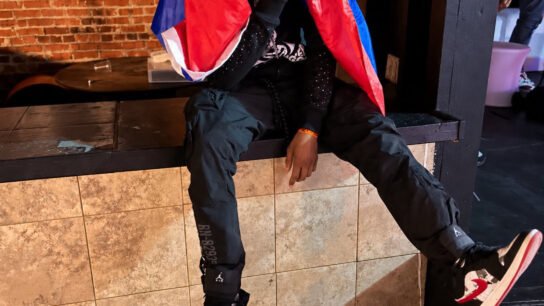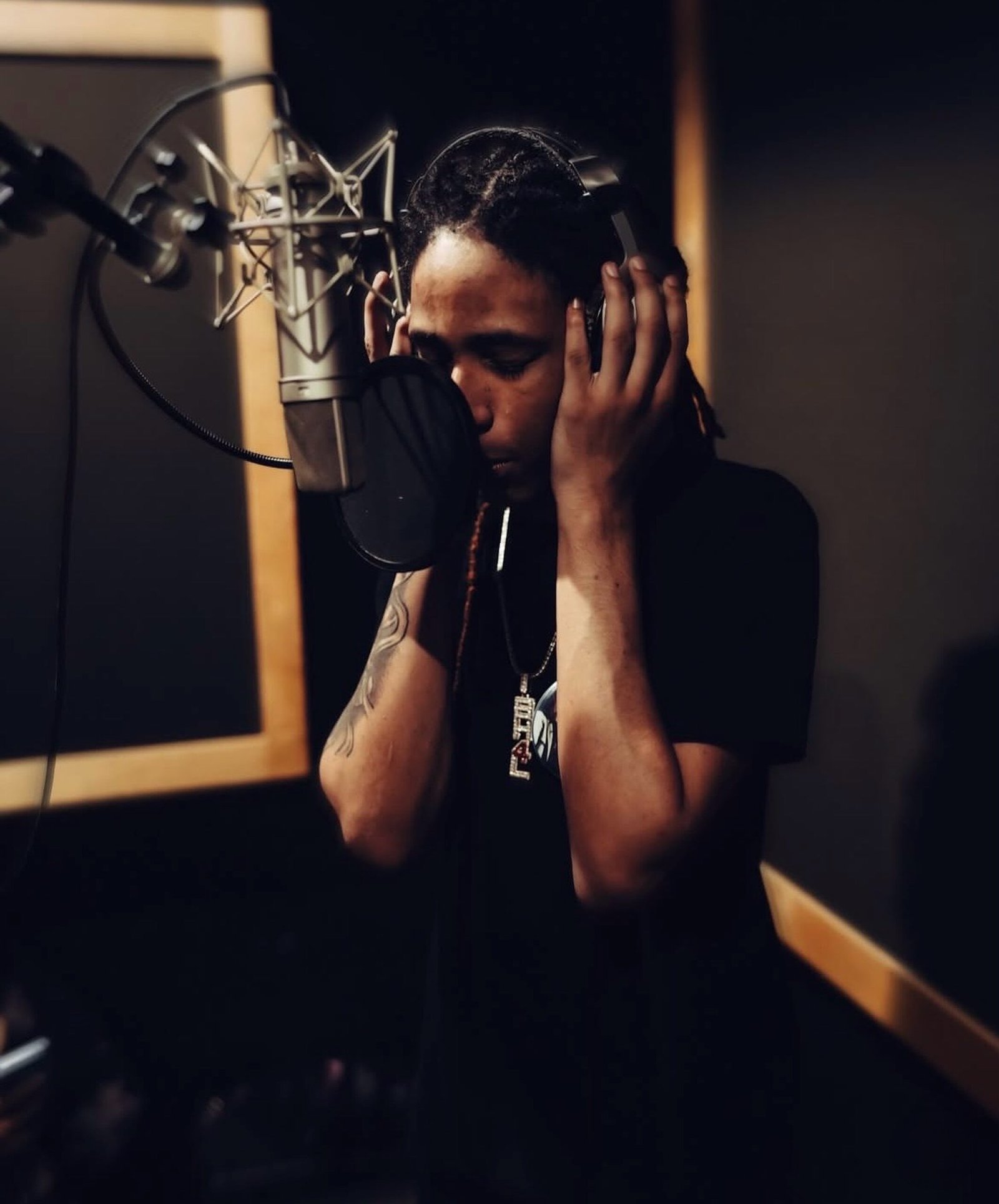
Growing up in Chicago, Lil Speedy’s story began long before music became part of his life. As a kid, he spent time playing sports, particularly basketball, which remained a part of his life until he was around 12 or 13 years old. Despite the negative reputation outsiders may associate with his neighborhood, he remembers the positive aspects of his community, including the local park and community center where kids had places to spend their time.
Around the age of 13 or 14, his lifestyle began to change. Sneaking out and getting involved in street activities eventually led to his first encounters with law enforcement. As he moved further in that direction, his decisions began affecting his relationship with his mother, who was disappointed to see him heading down a path that could jeopardize his future.
At the time, becoming a rapper was nowhere on his mind. Lil Speedy already had a name for himself in Chicago before he ever released a song, and music wasn’t something he initially took seriously. That changed in early 2025 when he attended a studio session with Slick the Third, AMF, and others who encouraged him to get in the booth. Despite initially refusing, he eventually gave it a chance.
In roughly 40 minutes, Lil Speedy recorded his first song, “How I Get.” That same night, he filmed the music video, setting the stage for what would become an unexpected introduction to the music industry. The record was released in January 2025 and quickly gained traction, even as he found himself back behind bars shortly afterward. His existing reputation in Chicago helped fuel the song’s momentum, introducing more listeners to an artist who had never planned on pursuing music in the first place.
His first year as an artist wasn’t without setbacks. Throughout 2025, Lil Speedy dealt with repeated periods of incarceration, making it difficult to maintain consistency. However, as time passed, his approach began to change. He started taking his sound more seriously, developing a genuine interest in the creative process and recognizing the opportunities music could provide.
Rather than pointing to one particular artist as his inspiration, Lil Speedy describes competition as a major driving force. Seeing others succeed motivates him to work harder and raise his own level. With an established reputation in his city, he understands that maintaining his position means continuing to deliver. What began as an unexpected studio experience has developed into a pursuit fueled by ambition and the desire to stand out.
As his music spread, Lil Speedy began experiencing a reach beyond Chicago, receiving messages from fans in places like the United Kingdom and Canada. His presence continued growing across YouTube, Instagram, and TikTok, showing him that his music could connect with listeners far outside the environment where his name first carried weight.
One of the most important relationships in his journey was his bond with the late BloodHound Q50. More than a fellow artist, Q50 was someone Lil Speedy viewed as a big brother and mentor. His encouragement played a significant role in pushing Speedy to take his potential seriously and continue moving forward. Their connection extended beyond the music, making Q50’s passing a deeply personal loss. Today, Lil Speedy remains committed to honoring his memory and carrying his legacy forward through his own journey.
Performing at Rolling Loud alongside Q50 was another memorable moment, giving Lil Speedy the opportunity to experience a massive stage with the support of someone he trusted. That experience represented more than a performance; it was a moment that connected his growing music career with a relationship that meant so much to him.
With records such as “Gutta,” “Swing My Door,” “King Snake,” “Bounce Out With Drac,” “We The Ones,” and “Reaper On My Back,” Lil Speedy continues adding to his catalog while working toward greater consistency. He also maintains an independent mindset when it comes to the music business, understanding the importance of being cautious with label opportunities and making decisions that align with his long-term goals.
For Lil Speedy, the next chapter is about growth, consistency, and building something that lasts. His journey into music may not have been planned, but the opportunity has given him another avenue to establish himself and reach a wider audience. With his experiences shaping both his perspective and his ambitions, he is focused on developing his sound, expanding his catalog, and continuing to make his presence felt.
As he moves forward while honoring the memory of BloodHound Q50, Lil Speedy is writing the next chapter of his story on his own terms.
Be sure to check out Lil Speedy’s new album, “HoundTober,” available now on all streaming platforms.